

Frequently Asked Questions About the Camino de Santiago Organized by an Agency
20 de July de 2026
Backpack transport on the Camino de Santiago
20 de July de 2026Sustainability on the Camino de Santiago
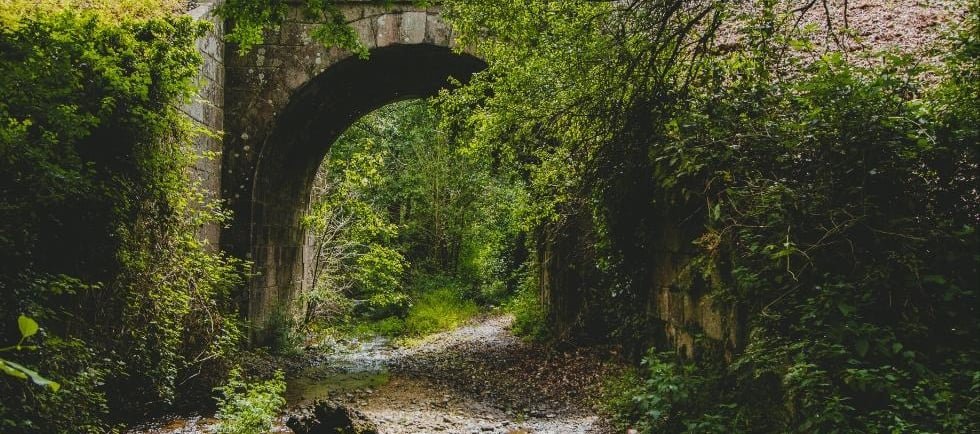
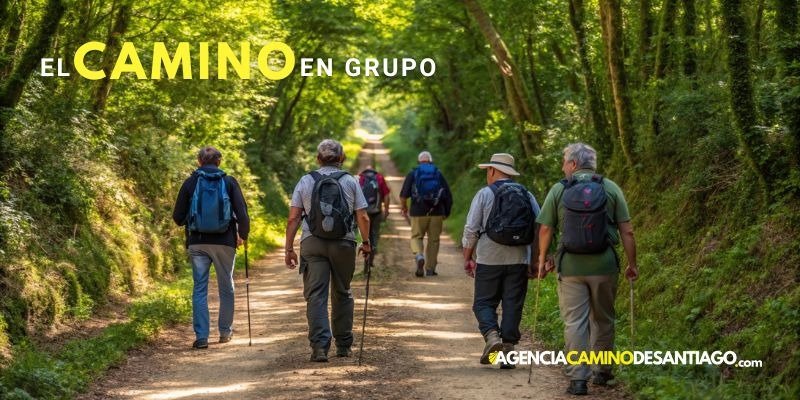
Walking the last 100 kilometers of the Camino de Santiago is an excellent way to contribute to sustainability and support local economies. By choosing to complete this route on foot, you significantly reduce your carbon footprint compared to other means of transportation, thus helping to combat climate change. Additionally, walking allows you to enjoy the natural environment in a more respectful manner, promoting the conservation of the paths and landscapes you traverse. This journey not only benefits the environment but also offers a profound experience of connection with nature.
Supporting local economies is another crucial aspect of this pilgrimage. Along the last 100 kilometers, from starting points such as Sarria, Tui, or Ferrol, you will have the opportunity to stay in guesthouses and rural homes managed by local families. These establishments, along with the small restaurants and craft shops you will encounter along your way, depend largely on tourism for their livelihood. By choosing to consume and stay in these places, you contribute directly to the economic development of local communities, fostering fair and sustainable trade.
Reducing Your Carbon Footprint
Transportation is one of the main sources of CO2 emissions. By choosing to walk the last 100 km instead of using motorized vehicles, you significantly reduce your carbon footprint. For example, an average automobile emits approximately 411 grams of CO2 per kilometer. Over a 100-kilometer journey, this translates to approximately 41 kg of CO2 that can be avoided simply by walking. This reduction is significant when we consider that transportation contributes greatly to global greenhouse gas emissions. Furthermore, walking not only reduces your carbon footprint but also promotes a healthy and active lifestyle.
Sustainable Camino de Santiago
-
Sarria to Santiago de Compostela Sarria is one of the most popular starting points for pilgrims wishing to complete the last 100 kilometers. This route offers a charming blend of rural and urban landscapes, passing through small villages, forests, and farmland. Along the way, you can find a wide variety of small shops, bakeries, and craft stores where you can purchase local products. This direct support to local merchants contributes to the region’s economy and encourages fair trade practices.
-
Tui to Santiago de Compostela Beginning at the border with Portugal, the Portuguese Way is known for its charming towns and coastal landscapes. Along this route, there are numerous guesthouses and rural homes managed by local families, offering an authentic experience and direct support to local economies. Additionally, in places like Tui and Pontevedra, you can enjoy rich gastronomy based on fresh, local products such as fish and seafood.
-
Ferrol to Santiago de Compostela Starting from the northern coast, the English Way offers stunning views of the coastline and a rich maritime history. Ferrol, an important naval port, is the starting point of this route. Along the way, you can enjoy Galician hospitality in small guesthouses and inns. The route passes through rural areas where local markets offer fresh and artisanal products such as cheeses and cured meats.
-
Santiago de Compostela (Circular Route) For those who have already arrived in Santiago, taking a circular route to nearby points and returning is a sustainable and enriching option. Visiting local markets, such as the Mercado de Abastos in Santiago, allows you to enjoy fresh products and support local farmers and artisans. Additionally, exploring the surroundings of Santiago gives you the opportunity to discover small hidden treasures and connect more deeply with the local culture.
Promoting Local Trade
Choosing to walk the last 100 km of the Camino de Santiago also has a significant impact on local economies. By selecting guesthouses, inns, and rural homes managed by locals, you directly support families and small business owners. Dining at local restaurants and bars not only allows you to enjoy regional cuisine but also contributes to the economic sustainability of the communities you pass through. Products such as pulpo a la gallega in Melide or empanadas in Arzúa are examples of the rich gastronomy you can experience. Purchasing handmade souvenirs, such as pilgrim shells and jewelry, helps keep artisanal traditions alive and supports local artisans.
Tips for a Sustainable Journey
To make your pilgrimage even greener and more sustainable, consider these tips:
-
Public Transportation: Use trains or buses to reach your starting point, whether Sarria, Tui, Ferrol, or another location. Public transportation is more sustainable than private transportation and significantly reduces carbon emissions.
-
Eco-Friendly Products: Carry reusable water bottles, utensils, and biodegradable bags to reduce plastic waste. Choose eco-friendly personal hygiene products to minimize your environmental impact.
-
Respect for the Environment: Follow established routes to avoid damaging flora and fauna, and pick up any litter you find along the way. Additionally, respect wildlife and do not disturb the animals you encounter on your journey.
Walking the last 100 km of the Camino de Santiago is a wonderful way to contribute to sustainability, support local economies, and enjoy a unique experience. Each step you take not only brings you closer to Santiago de Compostela but also has a positive impact on the environment and the communities you encounter along your way. In addition to reducing your carbon footprint, you support local merchants and promote more responsible and conscious tourism.
Completing the last 100 kilometers of the Camino de Santiago on foot not only allows you to live an unforgettable experience but also to contribute to sustainability and support local economies. By walking, you reduce your carbon footprint, enjoy the rich regional gastronomy, and promote fair trade by purchasing local products. If you would like to join this cause and walk the Camino de Santiago in a more sustainable way, we invite you to contact Agencia Camino de Santiago. Send us an email to organize your trip and do your part for more responsible tourism. Let’s make the Camino de Santiago greener together!
Related posts
Warning: Undefined variable $filters in /home/u640525625/domains/agenciacaminodesantiago.com/public_html/wp-content/themes/base/includes/content-single.php on line 379
Warning: Undefined variable $load_more in /home/u640525625/domains/agenciacaminodesantiago.com/public_html/wp-content/themes/base/includes/content-single.php on line 383