


What time is the Pilgrim’s Mass?
20 de July de 2026
Caminotermal.com combines the Camino de Santiago with thermal wellness
20 de July de 2026The Way and the Camino de Santiago

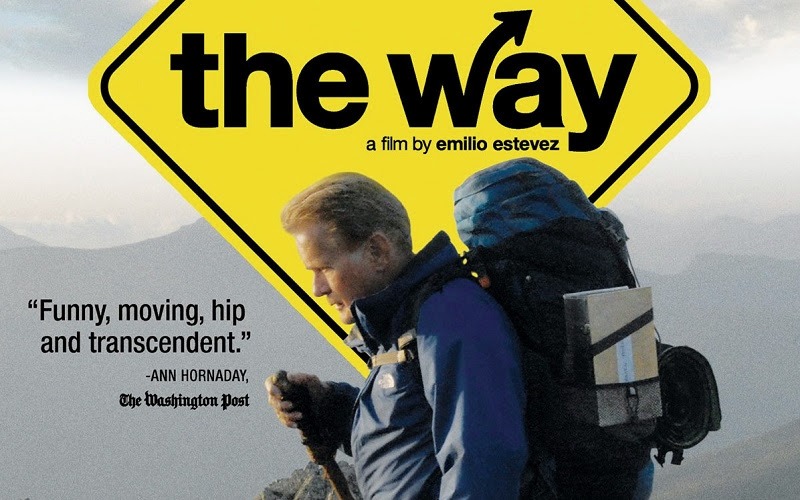
The Camino de Santiago is a route that has changed the lives of thousands of people, and the film The Way has been a source of inspiration for many of them. Released in 2010, The Way not only portrays a physical journey through the lands of Spain, but also a profound path of emotional and spiritual transformation, just as many pilgrims experience it in reality. In this article, we will explore how the film captures the essence of the Camino, its impact on the popularity of the route, and how it can inspire you to embark on your own journey toward transformation.
What is the film The Way about?
The Way, directed by Emilio Estevez and starring Martin Sheen, follows the story of Tom Avery, an American doctor who travels to France after the sudden death of his son, Daniel. The young man had begun walking the Camino de Santiago, but dies in an accident at the start of the route. Heartbroken, Tom decides to continue the journey his son could not complete, carrying his ashes with him along the Camino.
As Tom progresses along the French Way, he meets other pilgrims with their own stories and challenges, and gradually, what began as a personal tribute becomes an experience of redemption and healing. The Way reflects not only the beauty of the routes and landscapes, but also the power of the Camino to transform the lives of those who walk it.
The key themes of The Way: redemption, community, and transformation
One of the most outstanding aspects of the film The Way is its ability to capture universal themes that resonate with many pilgrims. Redemption is a central theme in the plot, as Tom must reconcile with the loss of his son and with his own feelings of guilt and regret. This redemption is achieved through the journey, encounters with other pilgrims, and acceptance of his grief.
The second key theme is community. Throughout the film, Tom meets other unique characters: Sarah, a Canadian seeking to leave behind an abusive marriage; Joost, a Dutchman struggling with his weight and searching for something more in his life; and Jack, an Irish writer with creative block. Together they form a small community, a microcosm of what happens in real life on the Camino de Santiago, where human connections are fundamental to the journey.
Finally, transformation is a constant theme in The Way. Both Tom and the other characters experience a profound change along the Camino. This change is not only emotional, but also spiritual, reflecting what many pilgrims experience when they walk the hundreds of kilometers of this ancient route.
The impact of The Way on the Camino de Santiago
Since its release, The Way has had a significant impact on the increase in popularity of the Camino de Santiago, especially among international pilgrims. Before the film, the Camino was already a route recognized for its historical and spiritual values, but the film brought the story of the Camino to a wider audience, especially in the United States.
According to data from the Pilgrim’s Office of Santiago, after the film’s release, there was a notable increase in the number of pilgrims who embarked on the route. The film not only attracted those seeking a religious experience, but also those who wished to disconnect from the modern world, seek a change in their life, or simply enjoy a unique journey through the Galician landscape.
The Camino de Santiago as a transformative experience
Like Tom in The Way, many pilgrims begin their journey on the Camino de Santiago seeking something more than a physical challenge. The Camino is known for being a transformative experience, and each person lives it differently. Some walk it for spiritual reasons, others seek a change in their life, and many more do it to find inner peace or simply escape the hustle and bustle of the modern world.
What makes the Camino de Santiago special is the combination of the physical, the emotional, and the spiritual. As pilgrims progress along the Camino, they face personal challenges that allow them to know themselves better. Time in solitude, overcoming physical obstacles, and connection with other pilgrims contribute to a life-changing experience.
In the film, we see how Tom’s character, initially closed off and overwhelmed by grief, gradually transforms as he progresses on the Camino. This process is common among pilgrims, who find in each step an opportunity for reflection, self-knowledge, and personal renewal.
How can The Way help you begin your own Camino de Santiago?
If you have seen The Way and it has inspired you to consider the Camino de Santiago as an option for you, you may be wondering how to begin. Here are some practical tips based on the film and the real experience of many pilgrims:
-
Plan your route: The Camino de Santiago has several routes, but the most popular is the French Way, the same one Tom follows in the film. Research which route best suits your needs and expectations.
-
Prepare your body and mind: Although you do not need to be an athlete to walk the Camino, it is important to be in good physical condition. Walking long distances each day can be exhausting, so prior training will be useful. Additionally, prepare your mind for a spiritual journey, where patience and emotional openness play a key role.
-
Connect with the community: One of the most valuable aspects of the Camino is the connection with other pilgrims. Do not hesitate to share your story, listen to others, and become part of that community that makes the Camino an unforgettable experience.
Where The Way was filmed: iconic locations of the Camino de Santiago
One of the charms of the film The Way is that it was filmed in some of the most iconic locations of the Camino de Santiago, which allows viewers to visually experience the beauty of the route. Below, we mention some of these places:
-
Saint-Jean-Pied-de-Port: This small French town is the starting point of the French Way and where Tom’s adventure begins in the film.
-
Roncesvalles: This town in Navarre is one of the first important milestones of the Camino, where pilgrims usually rest after their first day of walking.
-
Burgos: The impressive cathedral of Burgos appears in several scenes of the film, representing a key point in Tom’s journey.
-
Santiago de Compostela: The final destination of the Camino, where Tom completes his journey and witnesses the majesty of the Cathedral of Santiago.
FAQs about The Way and the Camino de Santiago
Is the film faithful to the real experience of the Camino?
Yes, The Way captures many of the real elements of the Camino de Santiago, from the landscapes to the human interactions. However, as in any film, some aspects have been dramatized for narrative effect.
Which routes of the Camino de Santiago appear in The Way?
The film focuses primarily on the French Way, the most popular and traditional route that crosses northern Spain.
What impact did the film have on Camino tourism?
The Way has been a great driver of tourism on the Camino de Santiago, especially among pilgrims from non-European countries, such as the United States, who saw in the film a way to discover this ancient route.
The Way is much more than a film; it is a window into the personal transformation that many experience on the Camino de Santiago. Whether you are inspired by the film or by the real stories of thousands of pilgrims, the Camino can be the beginning of a unique adventure, full of discoveries, connections, and personal growth. If you are seeking an experience that will change your life, the Camino de Santiago awaits you at our Agency Camino de Santiago.
Related posts
Warning: Undefined variable $filters in /home/u640525625/domains/agenciacaminodesantiago.com/public_html/wp-content/themes/base/includes/content-single.php on line 379
Warning: Undefined variable $load_more in /home/u640525625/domains/agenciacaminodesantiago.com/public_html/wp-content/themes/base/includes/content-single.php on line 383